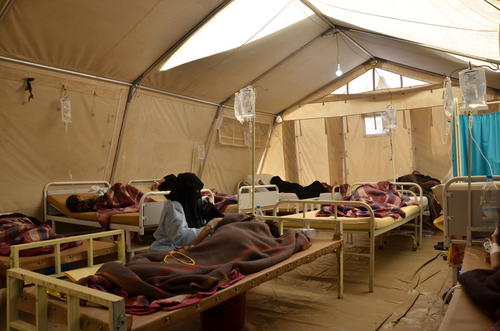
 डिफ्थीरिया जीवाणु कयनेबक्टेरियम (Corynebacterium)से पैदा होने वाला गले का एक ऐसा रोग है जिसमें नाक या गले /कंठ के पिछले भाग में एक झिल्ली राख या स्लेटी रंग जैसी ही बन जाती है एन्टीटॉक्सिन्स और एन्टिबायोटिक्स देने से यह रोग ठीक तो हो जाता है लेकिन रोगी को अलग थलग रखना पड़ता है। वरना यह (महा )संक्रामक रोग है आज यमन को ये अपने गले के नीचे उतार रहा है वहां दवाएं नहीं हैं गत ढ़ाई बरसों से निरंतर चल रहे युद्ध की वजह से आवाजाही निलंबित है।
It is an acute infectious bacterial disease with inflammation of a mucous membrane specially of the throat ,resulting in the formation of a false membrane causing difficulty in breathing and swallowing.
टीकाकरण इसका सीधा समाधान है।
ज्वर और गले की दुखन सोर थ्रोट इसके आम लक्षण हैं।अलावा इसके हार्ट फेलियर ,फालिज (Paralysis )यहां तक के मृत्यु भी इसकी वजह बनते हैं।
रोगी के छींकने ,खखारने ,coughing से उसके स्रावों secretions से यह आसपास उपस्थित लोगों को भी संक्रमित कर देता है। खतरनाक छूतहा रोग है यह।
टीकाकरण उपलब्ध होने से पहले हर बरस इसके दो लाख मामले अमरीका में सामने आते थे। दर्ज़ होते थे।तकरीबन तकरीबन दुनिया भर के देशों से इसका उन्मूलन भी हो चुका है यहां तक के लोग इस रोग को भूल चुके हैं स्वास्थ्य कर्मी इसीलिए यमन में इसके लक्षण जल्दी से पहचान नहीं पाते हैं। यमन में भी इसका आखिर मामला १९९२ में मिला था पूर्व में १९८२ में इसने वहां एक व्यापक रोग का ,प्रकोप का रूप ले लिया था।चालीस फीसद मामलों में यह रोग घातक सिद्ध होता है लापरवाही जानलेवा साबित होती है।मरीज़ को परिवार से अलग न रख पाना एक कमरे में यवनों के परिवारों की तरह औलाद की भीड़ सबको अपने चंगुल में ले लेती है। जबकि परिवार के शेष लोगों को बचावी चिकित्सा देकर बचाये रखा जा सकता है।यमन में इसे मानव निर्मित रोग ही कहा जाएगा जहां चंद क्लिनिक काम तो कर रहें हैं लेकिन लोगों के पास उन तक पहुँचने के लिए न ईंधन है न अन्य साधन। कैसी विडंबना है यह इस शती की जो युद्ध उन्माद को गैर -प्रासंगिक बना देती है।http://www.msf.org/en/article/yemen-cholera-diphtheria-%E2%80%93-shattered-health-system-battles-new-threat

(CNN) Almost 17 million infants worldwide are breathing toxic air, potentially affecting their brain development, according to a UNICEF report published Wednesday. More than two-thirds of the affected infants -- over 12 million -- live in South Asia and are exposed to pollution six times higher than recommended limits. Particulates in pollution can damage brain tissue and impair cognitive development, the report states, with potential lifelong consequences. Air pollution is one of the biggest threats to child health globally. Pneumonia claims 920,000 children under the age of 5 every year, and the risk is greatest for those under the age of 1. Damaging infant brains The brain undergoes critical growth in the first 1,000 days of life, forming foundational neural connections in this stage. Exposure to air pollution during this time can therefore impact development, the report states. Breathing in Delhi air equivalent to smok...
Comments
Post a Comment